Auratech
what i did
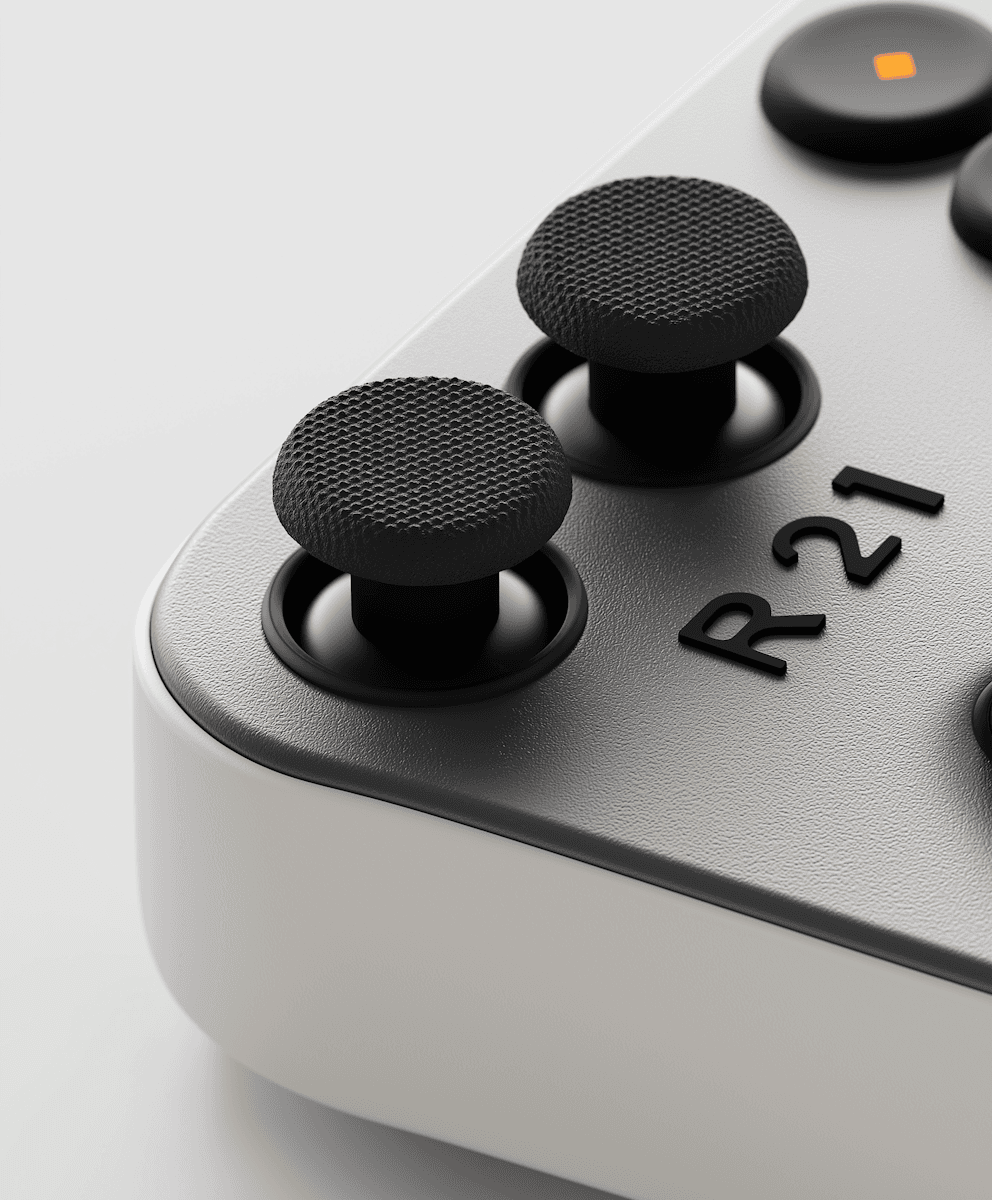
Designing a precision-driven interface system for Auratech’s industrial control platform, merging engineering logic with timeless visual simplicity.

Client
Mr John
Client
Mr John
Scope
Design
Scope
Design
Delivered on
Jul 31, 2025
Delivered on
Jul 31, 2025
Project Type
Creative Studio
Project Type
Creative Studio
Understanding the System
Before a single pixel was drawn, we immersed ourselves in the product’s environment, observing how engineers interacted with complex control systems. Through conversations and field insights, we discovered that clarity and response time were the real pain points. That understanding became the backbone of every design decision that followed.
Understanding the System
Before a single pixel was drawn, we immersed ourselves in the product’s environment, observing how engineers interacted with complex control systems. Through conversations and field insights, we discovered that clarity and response time were the real pain points. That understanding became the backbone of every design decision that followed.
Understanding the System
Before a single pixel was drawn, we immersed ourselves in the product’s environment, observing how engineers interacted with complex control systems. Through conversations and field insights, we discovered that clarity and response time were the real pain points. That understanding became the backbone of every design decision that followed.

Designing for Precision
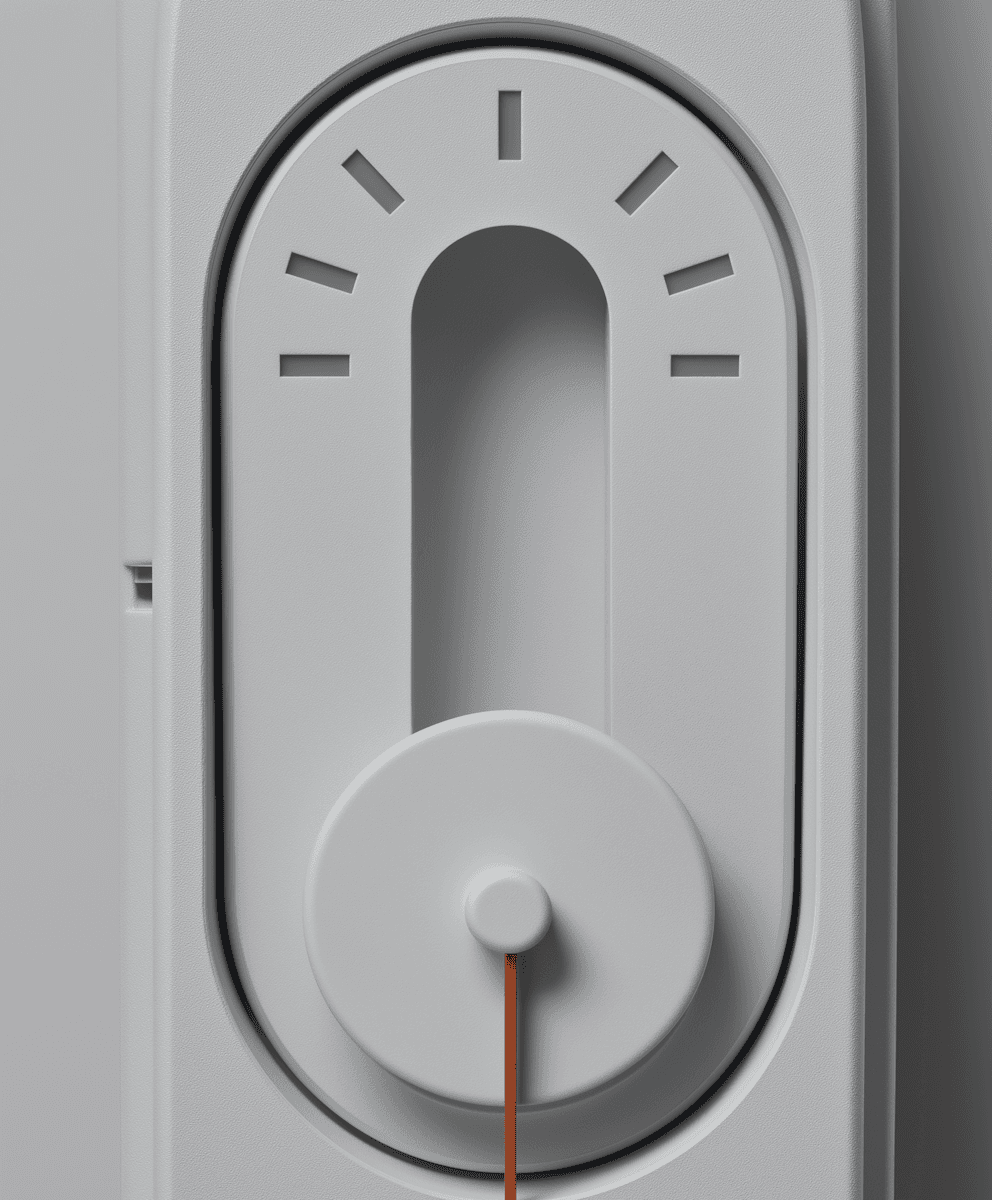
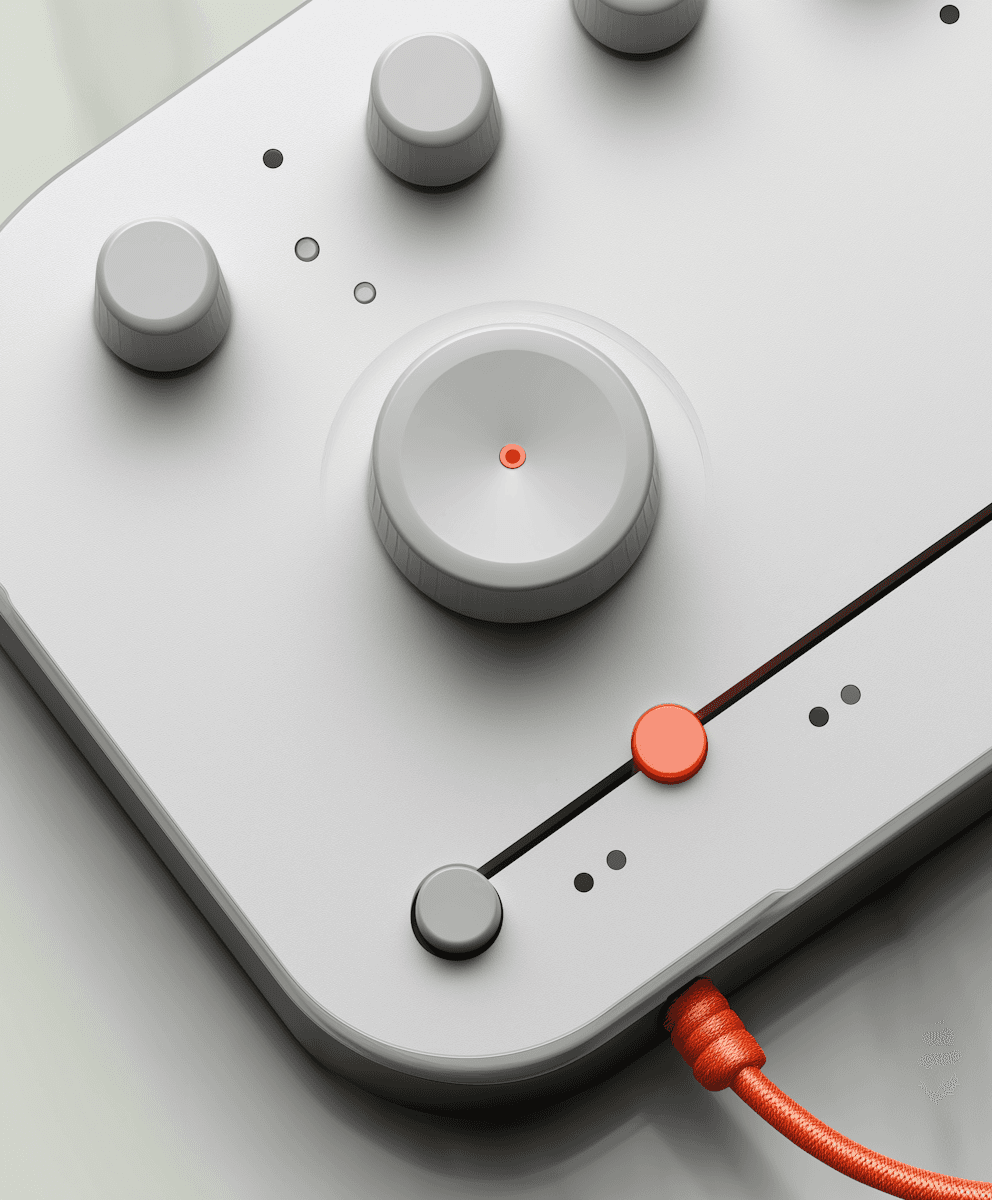
Every component was crafted to feel mechanical yet intuitive — from dial indicators to alert states. Using Figma’s auto-layout logic and component constraints, we built an adaptive system that mirrored the precision of the hardware it served. The result: a UI that feels engineered, not just designed.
Designing for Precision
Every component was crafted to feel mechanical yet intuitive — from dial indicators to alert states. Using Figma’s auto-layout logic and component constraints, we built an adaptive system that mirrored the precision of the hardware it served. The result: a UI that feels engineered, not just designed.
Designing for Precision
Every component was crafted to feel mechanical yet intuitive — from dial indicators to alert states. Using Figma’s auto-layout logic and component constraints, we built an adaptive system that mirrored the precision of the hardware it served. The result: a UI that feels engineered, not just designed.
Refinement Through Feedback
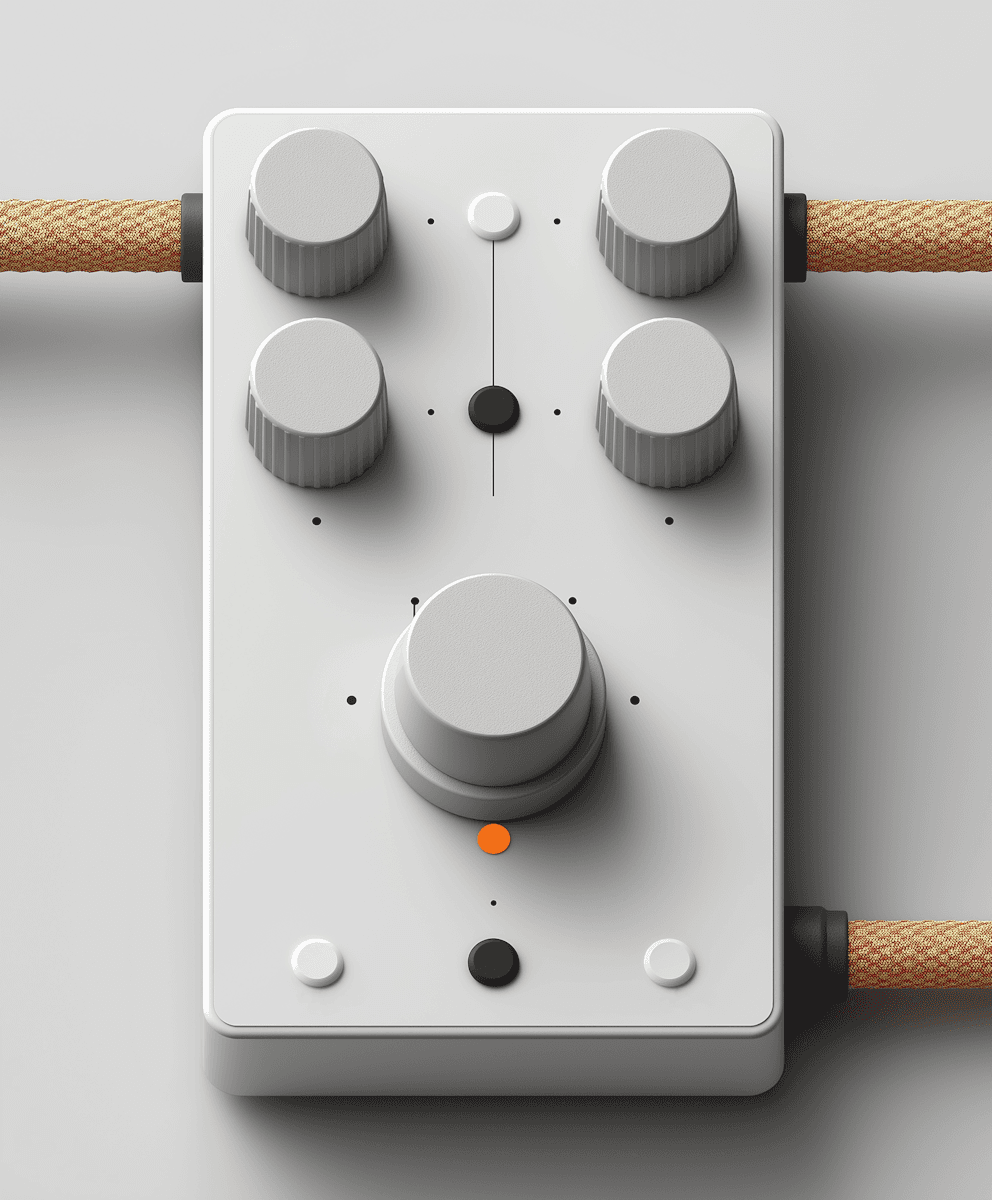
We partnered with the internal testing team to refine micro-interactions and optimize contrast for different lighting environments. Every iteration made the interface quieter, sharper, and more confident — the kind of design that disappears, letting the work speak.
Refinement Through Feedback
We partnered with the internal testing team to refine micro-interactions and optimize contrast for different lighting environments. Every iteration made the interface quieter, sharper, and more confident — the kind of design that disappears, letting the work speak.
Refinement Through Feedback
We partnered with the internal testing team to refine micro-interactions and optimize contrast for different lighting environments. Every iteration made the interface quieter, sharper, and more confident — the kind of design that disappears, letting the work speak.